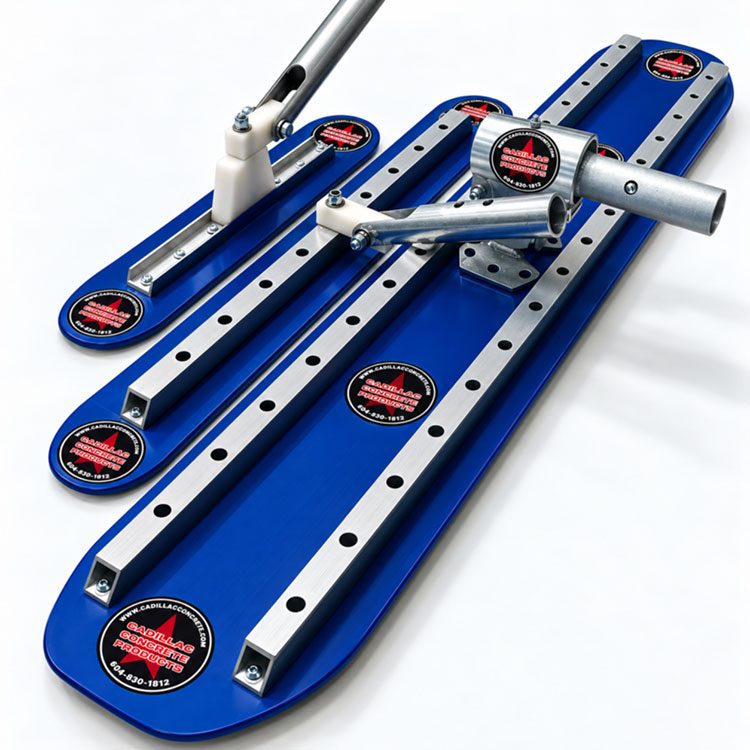
Concrete finishing requires precision, control, and reliable equipment. For decades, traditional materials such as wood and magnesium have been widely used for floats, trowels, and other finishing tools. While these materials have played an important role in the industry, advances in material technology have introduced composite tools that offer new advantages for professional concrete finishers.
Composite concrete finishing tools are designed to provide durability, smooth performance, and reduced effort on the jobsite. By using advanced hydrophobic composite materials, modern tools can help contractors work more efficiently while achieving consistent, high-quality results.
What Are Composite Concrete Tools?
Composite concrete tools are made from engineered materials designed specifically for demanding construction environments. Unlike traditional materials, composite materials can be manufactured to provide consistent strength, stability, and performance.
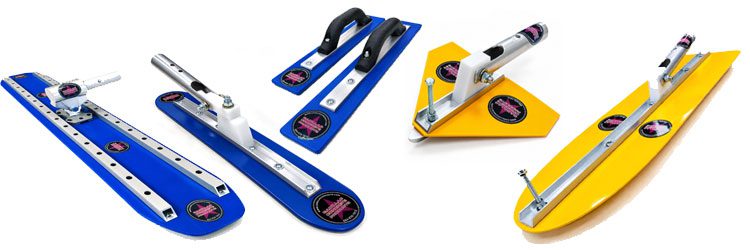
These materials are used in a variety of concrete finishing applications, including:
Reduced Friction Improves Finishing Performance
One of the biggest advantages of composite concrete tools is their low coefficient of friction. This allows the tool surface to move smoothly across fresh concrete with less resistance.
For contractors, reduced drag means:
- Less physical effort during finishing
- Improved control over the tool
- Fewer passes required to achieve the desired result
- Reduced fatigue during long pours
Whether finishing a small residential project or a large commercial slab, tools that move efficiently can help improve productivity.
Hydrophobic Materials Help Prevent Concrete Buildup
Concrete finishing tools are constantly exposed to moisture, cement paste, and aggregate during use. Traditional tools may require frequent cleaning and adjustment to maintain smooth performance.
Composite materials are naturally hydrophobic, meaning they resist absorbing water. This helps reduce concrete paste buildup on the tool surface and allows contractors to maintain consistent performance throughout the finishing process.
Benefits include:
- Smoother tool movement
- Less sticking during use
- Easier cleanup
- More consistent finishing results
Lightweight Design Helps Reduce Contractor Fatigue
Concrete finishing is physically demanding work. Contractors often spend hours handling tools while working across large surfaces.
Composite tools are designed to provide strength without unnecessary weight. Their lightweight construction can help reduce strain on the body while maintaining the durability needed for professional applications.
For contractors completing multiple pours or working long days, the right tool design can make a noticeable difference.
Composite vs. Traditional Concrete Finishing Tools
Traditional materials such as magnesium have been trusted by concrete professionals for decades, and many contractors continue to use them successfully. However, composite technology offers several advantages that address common challenges on modern jobsites.
| Feature | Composite Tools | Traditional Tools |
| Weight | Lightweight design for easier handling | Varies by material |
| Moisture resistance | Hydrophobic material resists water absorption | Depends on material |
| Concrete buildup | Helps reduce sticking and buildup | May require more cleaning |
| Movement across concrete | Low-friction performance | Reliable traditional performance |
| Durability | Designed for repeated professional use | Proven long-term performance |
The Future of Concrete Finishing Tools
As construction methods continue to evolve, contractors are looking for tools that improve efficiency without sacrificing quality. Composite concrete finishing tools represent a modern approach to concrete finishing by combining durability, performance, and ease of use.
From bull floats used on large slabs to hand tools used for detailed finishing work, composite technology is helping professionals complete projects with less effort and more consistent results.
Choosing Quality Concrete Finishing Tools
The best finishing results come from using tools designed for the demands of the job. Contractors should consider:
- Material quality
- Tool balance and comfort
- Durability
- Ease of cleaning
- Performance throughout the finishing process
Cadillac Concrete Composite Tools are designed for professional concrete finishers who want dependable performance, improved efficiency, and consistent results on every project.
Explore the full product line at Cadillac Concrete and upgrade the tools your crew depends on every day.